
The Scroll That Never Ends
The average person now scrolls through hundreds of pieces of content each day, often deciding within seconds whether something is worth their attention. Platforms like TikTok have not just changed what we watch; they have fundamentally transformed how we process, evaluate, and engage with information. Something that once required long-term focus can now be replaced with a rapid stream of short, stimulating content designed to capture attention instantly.
This shift has sparked widespread debate about shrinking attention spans. However, the reality is more than that. Rather than simply losing the ability to focus, users are adapting to a new digital environment that prioritizes speed, novelty, and constant stimulation. In response, marketers are being forced to rethink traditional strategies, shifting from long-form persuasion to the first couple of seconds of engagement.
TikTok has not just shortened attention spans; it has rewired the way attention works, and in doing so, it has reshaped the entire landscape of social media marketing.
Want to improve your brand’s social media strategy? Explore more digital marketing insights on our blog page. Social media growth strategies.
The Rise of Short-Form Content
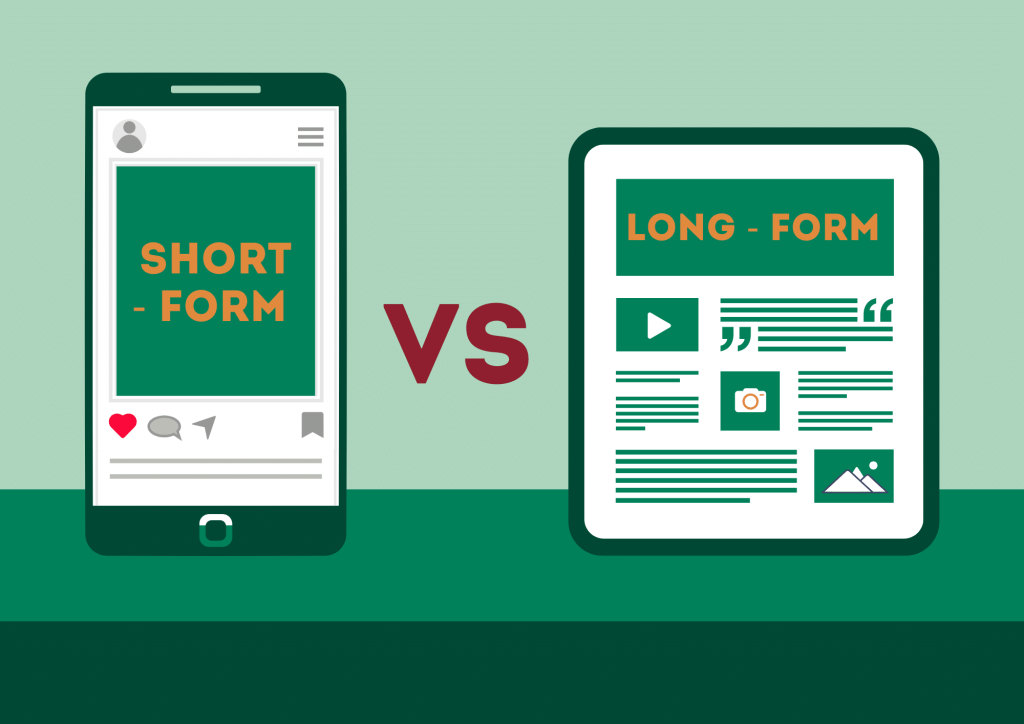
Before TikTok became a worldwide viral platform, platforms like YouTube and Facebook dominated the digital content space with longer-form videos and posts. Content creators focused on building narratives, developing ideas over time, and gradually capturing audience interest. However, TikTok introduced a different model for quick entertainment: short, algorithm-driven videos that deliver immediate value or entertainment.
TikTok’s success lies in its ability to eliminate friction. Users do not need to search for content or commit to watching a long video. Instead, content is continuously delivered through an algorithmically curated “For You Page,” creating a seamless and addictive viewing experience. Each swipe introduces something new, often unrelated to the previous video, maximizing novelty and unpredictability.
This format has led to what can be described as “content snacking.” Instead of consuming one long piece of content, users now consume dozens, if not hundreds, of short videos in a single session. Research in media consumption behavior suggests that this type of rapid, fragmented engagement changes how individuals allocate attention. Rather than investing deeply in a single idea, users distribute their attention across multiple pieces of content, favoring variety over depth.
As a result, the expectation for immediacy has increased. Audiences no longer tolerate slow builds or extended introductions. Content must deliver value instantly or risk being ignored entirely.
The Psychology Behind the Shift
To understand how TikTok is rewiring attention, it is essential to see the psychological mechanisms driving user behavior.
Dopamine and Variable Rewards
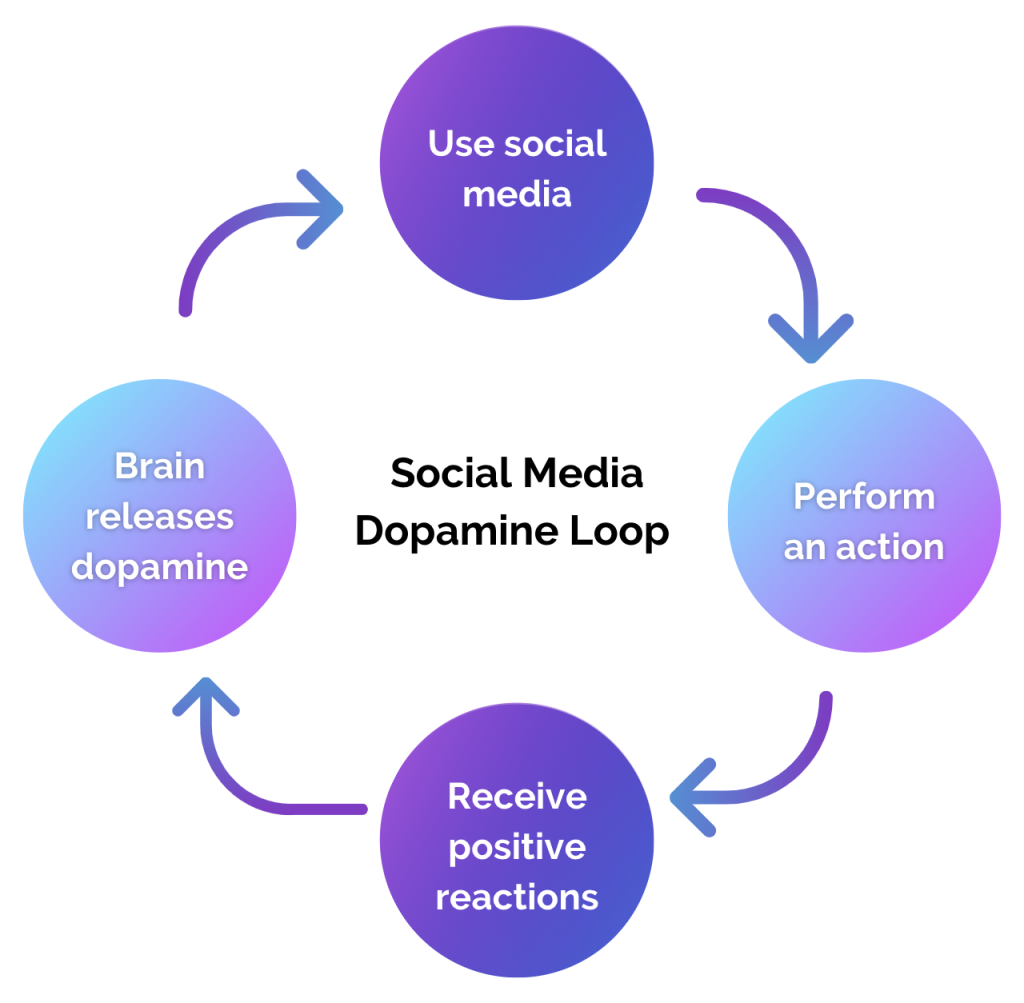
TikTok’s design closely mirrors the concept of variable reward systems, a principle rooted in behavioral psychology. Similar to slot machines, the platform delivers unpredictable rewards in the form of entertaining, surprising, or emotionally engaging content. This unpredictability triggers dopamine release, reinforcing the behavior and encouraging continued scrolling.
Unlike traditional media, which often follows a predictable structure, TikTok thrives on randomness. Users cannot anticipate what they will see next, making each swipe a potential reward. This creates a powerful feedback loop: the more users scroll, the more they are conditioned to expect stimulation.
Instant Efficiency
TikTok content is designed to be easily digestible, requiring minimal cognitive effort. Videos are short, visually engaging, and often accompanied by captions or subtitles, allowing users to process information quickly.
From a cognitive perspective, this aligns with the brain’s preference for efficiency. Humans naturally seek to conserve mental energy, and short-form content provides a low-effort way to consume information. Over time, this can reduce tolerance for content that requires sustained attention or deeper processing.
Decreased Patience for Delayed Value
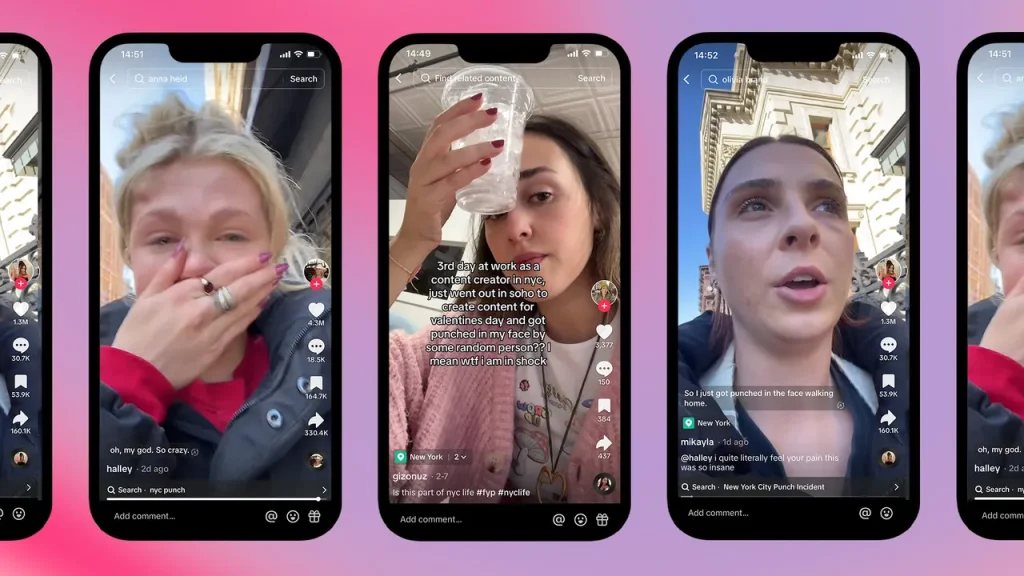
As users become accustomed to immediate rewards, their patience for delayed value decreases. This is evident in the widespread adoption of the “3-second rule,” where content must capture attention within the first few seconds or risk being skipped.
This shift is not limited to TikTok. It extends to other platforms, influencing how users engage with longer videos, articles, and even advertisements. Audiences are increasingly likely to abandon content that does not provide immediate value, forcing creators to rethink how they structure their messaging.
How Marketers Are Adapting
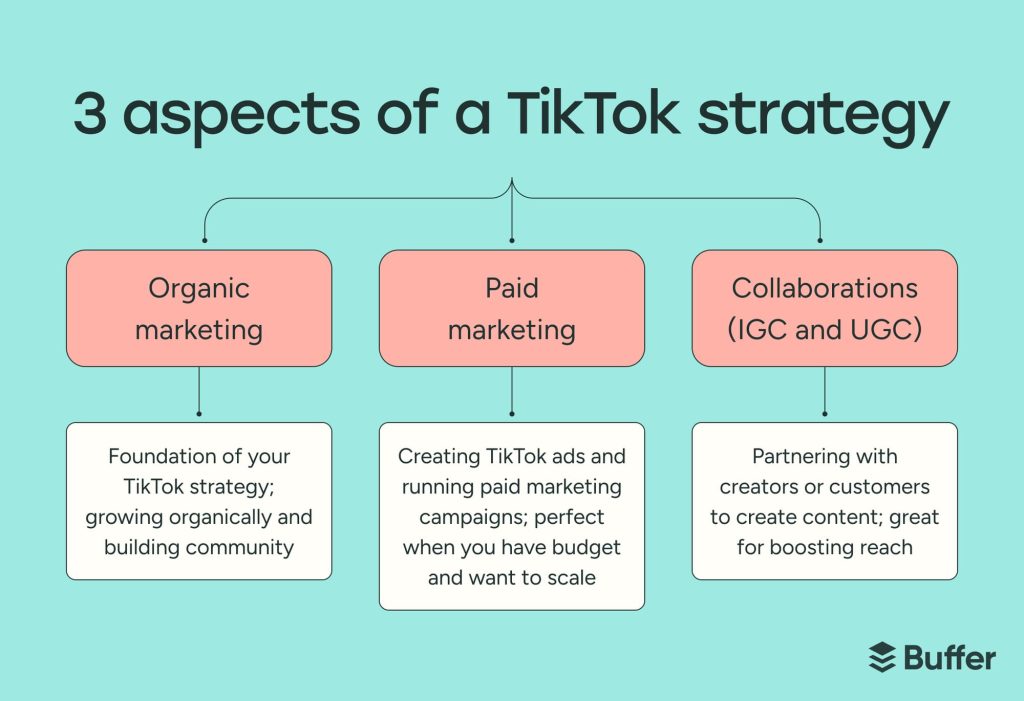
The transformation of attention spans has significant implications for social media marketing. Traditional strategies that rely on gradual persuasion or extended storytelling are becoming less effective. Instead, marketers are adopting new approaches designed to align with the realities of short-form consumption.
Organic growth and paid advertising strategies.
Hook-First Content Strategy
One of the most notable changes is the emphasis on hook-first content. Rather than building toward a key message, marketers now place their most compelling or attention-grabbing element at the very beginning.
This approach, often referred to as “front-loading value,” ensures that users immediately understand why the content is worth their time. Hooks may take the form of bold statements, intriguing questions, or visually dynamic openings designed to interrupt scrolling behavior.
Faster, More Dynamic Editing
Editing styles have also evolved to match the pace of modern attention. Videos frequently include rapid cuts, zooms, text overlays, and sound effects to maintain engagement. These elements create a sense of constant movement, reducing the likelihood of viewer drop-off.
The use of subtitles has become particularly important, as many users watch videos without sound. By providing multiple layers of stimulation visual, textual, and auditory marketers can capture and hold attention more effectively.
Entertainment Over Information
Another major shift is the prioritization of entertainment. Even educational or promotional content is now presented in a way that feels engaging and enjoyable. This reflects a broader trend in which users expect content to provide value quickly while also being entertaining.
As a result, brands are increasingly adopting storytelling techniques, humor, and relatable scenarios to connect with audiences. The goal is not just to inform but to engage emotionally, making the content more memorable and shareable.
Relatability and Authenticity
Highly polished advertisements are becoming less effective in the TikTok era. Instead, audiences respond more positively to content that feels authentic and relatable. This includes behind-the-scenes footage, casual speaking styles, and user-generated content.
Link to: Graphic Design Versus Brand Identity
Anchor text: brand identity and visual communication
This shift reflects a broader change in consumer expectations. Users are more likely to trust content that appears genuine, even if it lacks professional production quality. For marketers, this means prioritizing authenticity over perfection.
Looping and Retention Strategies
TikTok’s algorithm rewards content that keeps users engaged for longer periods. As a result, many creators design videos that loop seamlessly or encourage rewatching. This increases watch time, signaling to the algorithm that the content is valuable.
These strategies highlight a key shift in marketing metrics. Success is no longer measured solely by views or clicks but by deeper engagement indicators such as watch time and retention.
Looking to create more engaging short-form content for your business? Visit our services page to learn how strategic social media marketing can help your brand grow.
Real-World Examples of TikTok’s Influence on Marketing
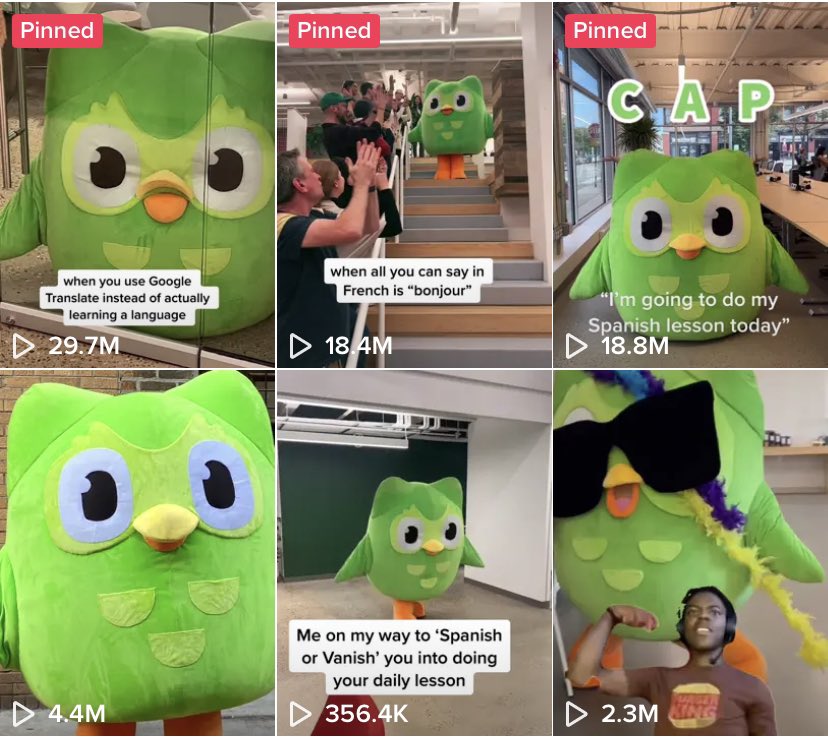
One of the clearest indicators of TikTok’s influence is the way major brands have completely transformed their marketing strategies to align with short-form content culture. Companies are no longer simply adapting advertisements for social media; instead, they are creating content specifically designed to mimic the fast-paced, entertaining style users expect on TikTok.
Brands such as Duolingo, Netflix, and Chipotle have become particularly successful on TikTok because they understand the platform’s culture. Rather than relying on polished corporate advertisements, these brands create humorous, trend-based, and personality-driven content that feels native to the platform. Their videos often resemble content made by everyday users instead of traditional marketing campaigns.
This shift reflects a major transformation in consumer expectations. Audiences increasingly reject content that feels overly promotional or scripted. Instead, they prefer content that feels spontaneous, relatable, and entertaining. In many cases, users may not even realize they are being marketed to because the content blends seamlessly into their regular feed.
TikTok has also accelerated the rise of influencer marketing. Influencers have become powerful intermediaries between brands and consumers because they present products in a way that feels authentic and trustworthy. Unlike traditional celebrity endorsements, TikTok creators often build close relationships with their audiences through consistent interaction and relatability. This creates a sense of familiarity that increases audience trust and engagement.
As a result, many brands now prioritize creator partnerships over traditional advertising campaigns. Rather than investing heavily in highly produced commercials, companies collaborate with influencers who already understand how to communicate effectively within TikTok’s ecosystem. These creators know how to structure videos, use trending sounds, and engage audiences in ways that align with the platform’s algorithm and culture.
Another significant impact of TikTok is the speed at which trends emerge and disappear. Trends that once lasted months may now disappear within days. This has forced marketers to become more reactive and adaptable than ever before. Brands must monitor trends constantly and respond quickly if they want to remain relevant.
For example, trending sounds, memes, or editing styles can suddenly dominate the platform overnight. Companies that successfully capitalize on these moments often experience significant increases in engagement and visibility. However, brands that respond too slowly may appear out of touch or disconnected from internet culture.
This rapid trend cycle has also changed the way content calendars are planned. In the past, marketing campaigns were often scheduled months in advance. Today, marketers must leave room for spontaneity and real-time engagement. Social media teams are expected to react quickly to cultural moments, viral trends, and audience conversations.
Additionally, TikTok’s influence has extended beyond the platform itself. Competing platforms such as Instagram with Reels and YouTube Shorts have adopted nearly identical short-form video formats in an attempt to compete for audience attention. This demonstrates how TikTok has fundamentally reshaped the broader digital landscape, not just one platform.
The effects of this transformation can even be seen outside social media. Music, fashion, language, and consumer behavior are increasingly influenced by viral TikTok trends. Songs can become global hits overnight because of a 15-second sound clip, while products can sell out within hours after gaining traction on the platform. Attention has become one of the most valuable currencies in the digital age, and TikTok has mastered the ability to capture it.
Ultimately, TikTok’s influence on marketing goes beyond shorter videos or faster editing styles. The platform has changed how brands communicate, how consumers engage with content, and how quickly digital culture evolves. Marketers are no longer competing solely on the quality of their products or services; they are competing for moments of attention in an environment defined by endless scrolling and constant stimulation.
The Benefits and Drawbacks
While the transformation of attention spans presents challenges, it also creates new opportunities.
Benefits
One of the primary advantages is increased engagement. Short-form content allows brands to capture attention quickly and reach a wider audience. It also encourages creativity, as marketers experiment with new formats and storytelling techniques.
Additionally, the accessibility of short-form content lowers barriers to entry. Smaller brands and individual creators can compete with larger companies by producing engaging, relatable content without the need for significant resources.
Link to: DIY Graphic Design Tools for Small Businesses
Anchor text: affordable content creation tools
Drawbacks
However, there are also notable downsides. The emphasis on speed and immediacy can limit depth, making it difficult to convey complex ideas. This may lead to oversimplification or a lack of nuance in content.
Furthermore, the constant demand for stimulation can contribute to reduced attention for longer-form content. This poses a challenge for marketers who rely on detailed explanations or in-depth storytelling.
Finally, the rapid pace of content creation can lead to oversaturation, making it increasingly difficult for individual pieces of content to stand out.
Want to improve your online presence? Check out our beginner-friendly guides on social media growth and digital branding.
The Future of Attention and Marketing
Looking ahead, it is unlikely that attention spans will continue to “shrink” in a linear sense. Instead, they are evolving to adapt to a digital environment characterized by abundance and immediacy.
Long-form content will not disappear, but it will need to evolve. Successful content will likely combine the strengths of both short- and long-form formats, using engaging openings to capture attention before delivering more in-depth information.
Advancements in artificial intelligence and data analytics will also play a significant role. Marketers will be able to create highly personalized content tailored to individual preferences, further increasing engagement.
Ultimately, the future of marketing will depend on the ability to balance speed with substance. While capturing attention is essential, maintaining trust and delivering meaningful value will remain critical.
Conclusion: A New Era of Attention
TikTok has fundamentally changed the way people engage with content, reshaping attention spans and redefining the rules of social media marketing. By prioritizing speed, novelty, and immediate gratification, the platform has created a new standard for digital engagement.
For marketers, this represents both a challenge and an opportunity. Success in this new environment requires a deep understanding of audience behavior, as well as the ability to adapt to rapidly changing trends. Those who can effectively capture and sustain attention will be well-positioned to thrive in the evolving digital landscape.
In the end, the question is not whether attention spans are shrinking, but how they are changing and how marketers can evolve alongside them.
Ready to strengthen your social media strategy? Visit the contact page to connect and learn how effective content marketing can help your business stand out on social media.