Growing a small brand today almost always starts the same way: organic content.
You post consistently. You build community. You refine your voice. You experiment with reels, captions, emails, and storytelling. For a while, it works. Engagement grows. Sales come in. Momentum builds.
Then something shifts.
Growth plateaus. Reach slows. Your audience stops expanding at the same rate. You’re putting in the same effort, but the return isn’t scaling.
This is the moment many business owners start asking the question:
Is it time to invest in digital advertising?
Not sure if your business is ready for paid ads yet? Take a look at our services to see how we can help your business get to where you want to be!
Understanding when and how to move from organic marketing to paid strategy is one of the most important growth decisions a small brand can make. When done strategically, digital advertising doesn’t replace your organic efforts it amplifies them.
Let’s break down what digital advertising for small businesses really means, and how to know when you’re ready.
What Is Digital Advertising?
Digital advertising refers to paid promotional content delivered through online platforms such as Google, Instagram, Facebook, YouTube, and other digital channels. Unlike organic content which relies on algorithms and existing followers paid ads allow you to reach specific audiences intentionally.
The biggest difference between organic and paid marketing is control.
With organic content:
- You rely on platform algorithms.
- Reach fluctuates.
- Growth can be unpredictable.
With digital advertising:
- You define your audience.
- You control your budget.
- You measure performance in real time.
For small businesses, this level of control is powerful. It allows brands to move from “hoping the right people see this” to strategically placing their message in front of ideal customers.
But just because ads are powerful doesn’t mean every brand is ready for them.
Signs It’s Time to Invest in Paid Ads
Not every small business needs digital advertising immediately. In fact, investing too early can waste money. The strongest ad campaigns are built on a solid foundation.
Here are signs your brand may be ready to transition from organic growth to paid strategy:
1. Your Growth Has Plateaued
If your engagement and follower count have leveled off despite consistent posting, you may have reached the limits of organic reach. Paid ads can introduce your brand to entirely new audiences beyond your current community.
2. You Know Your Target Audience Clearly
Successful digital advertising depends on clear audience targeting. If you understand:
- Who your ideal customer is
- What problems they face
- What motivates them to buy
You’re in a strong position to run effective campaigns.
If you’re still unsure who you’re speaking to, refine that first.
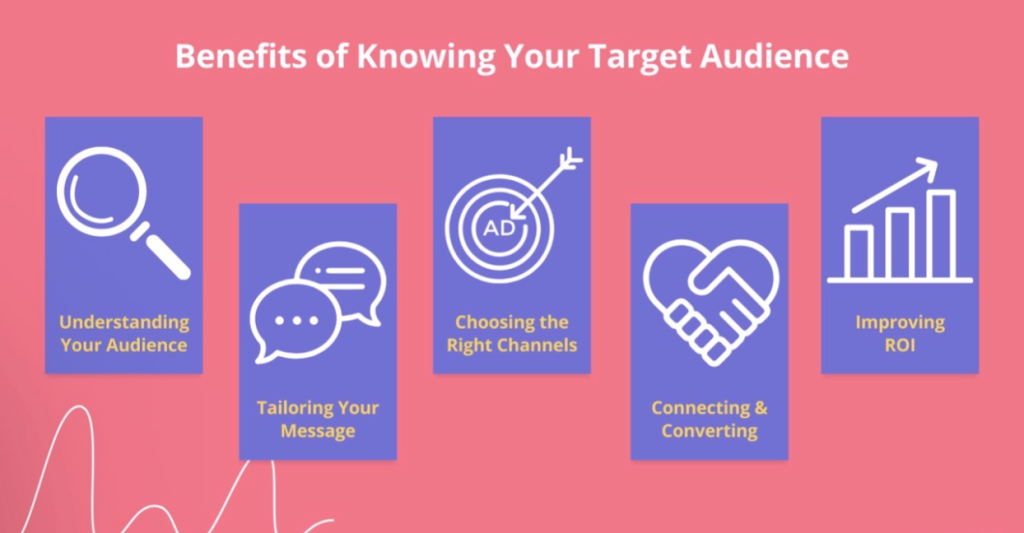
If you’re still figuring out how your brand should communicate and connect with the right audience, understanding your brand identity is a great place to start.
3. You Have Proven Offers
Paid ads should scale what already works not test completely unvalidated ideas. If your product or service already converts organically, advertising can accelerate that success.
4. You Have a Clear Goal
Running ads without a defined objective is one of the most common small business mistakes.
Are you trying to:
- Increase website traffic?
- Generate leads?
- Boost product sales?
- Build brand awareness?
Each goal requires a different campaign structure. Clarity here determines performance.
How to Transition from Organic to Paid Strategically
Once you decide you’re ready, the next step is doing it correctly.
Digital advertising for small businesses should start intentionally, not aggressively.
Start with Your Best-Performing Content
Look at your organic posts. Which ones:
- Received the highest engagement?
- Generated sales or inquiries?
- Sparked strong conversations?
These are ideal candidates for paid promotion. If content already resonates, ads can expand its reach.
If you’re not sure which content is worth promoting, we can help you design and refine posts that are built to perform organically and in ads.
Set a Test Budget
You don’t need thousands of dollars to begin. In fact, testing with a controlled budget is smarter.
Start small. Monitor results. Adjust targeting, messaging, or creative before scaling. The goal early on is learning, not immediate massive profit.
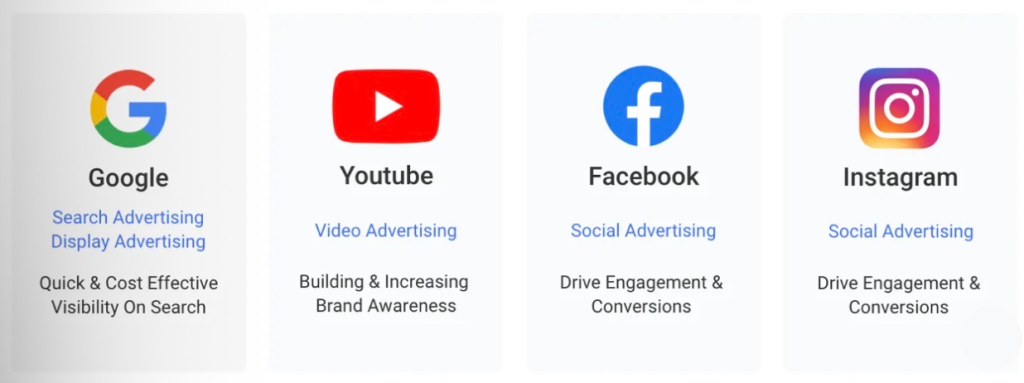
Choose the Right Platform
Different platforms serve different purposes.
- Google Ads capture high-intent search traffic.
- Instagram and Facebook ads are strong for brand visibility and retargeting.
- YouTube ads work well for storytelling and awareness.
Your platform choice should align with your goal and audience behavior.
Budgeting Without Wasting Money
One of the biggest fears small business owners have about digital advertising is wasting money.
The key is understanding that ads are data-driven.
Instead of asking, “Did this make money immediately?” ask:
- What was the click-through rate (CTR)?
- What was the cost per click (CPC)?
- Did users convert?
- What was the cost per acquisition (CPA)?
Early campaigns often provide insights before large returns. Testing headlines, visuals, and targeting refines performance over time.
Avoid these common mistakes:
- Running ads without conversion tracking installed.
- Targeting audiences that are too broad.
- Changing campaigns too quickly without enough data.
- Scaling before confirming profitability.
Patience and analysis separate strategic advertisers from impulsive spenders.
The Metrics That Actually Matter
Vanity metrics can be misleading. High impressions or likes don’t necessarily mean your ads are working.
Instead, focus on key performance indicators (KPIs) such as:
Click-Through Rate (CTR):
Shows how compelling your ad is. A higher CTR usually indicates strong messaging and creative.
Cost Per Click (CPC):
Helps you understand how competitive your audience targeting is.
Conversion Rate:
Measures how effectively your landing page turns visitors into customers.
Cost Per Acquisition (CPA):
Tells you how much you’re paying for each customer.
Return on Ad Spend (ROAS):
Reveals overall profitability.
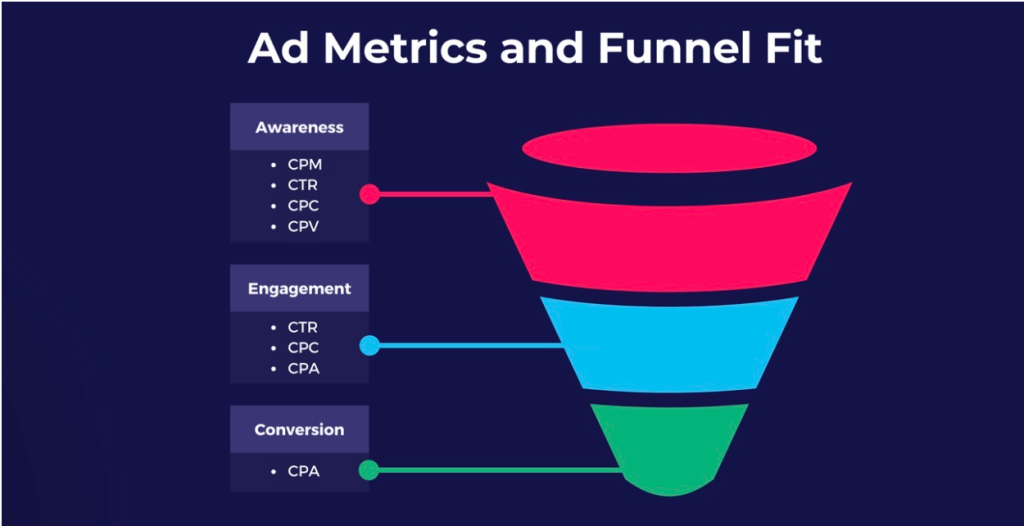
Tracking these metrics allows small businesses to make informed decisions instead of emotional ones.
Digital Advertising Is an Amplifier Not a Shortcut
One of the biggest misconceptions about paid ads is that they are a shortcut to success.
They’re not.
Digital advertising amplifies what already exists.
If your branding is unclear, your messaging is inconsistent, or your offer lacks value, ads will simply amplify those weaknesses. But if your brand is strong, your audience is defined, and your content resonates, paid strategy can unlock significant growth.
If your visuals, branding, or messaging aren’t consistent yet, ads won’t fix that, but the right design will! Schedule an appointment with NIN designs to take your business to the next level!
For small brands ready to scale, digital advertising provides structure, measurable growth, and expanded reach. It transforms marketing from reactive posting to intentional strategy.
The shift from organic to paid isn’t about abandoning authenticity. It’s about investing in visibility.
And when done thoughtfully, that investment can be the difference between steady growth and scalable success.